
- Home
- About Us
- Medical Services
- Facility
- English
We have been serving the people of North Sumatra in general, and the people of Medan city in particular since 1996.
We have a vision of becoming one of the hospitals capable of providing the best health services with excellence in radiotherapy unit services.
Providing certainty in the diagnosis and treatment of disease.
Welcome to RSU Vina Estetica
We have been serving the people of North Sumatra in general, and the people of Medan city in particular since 1996.
Quick search for Doctors or Specialists
We provide medical services
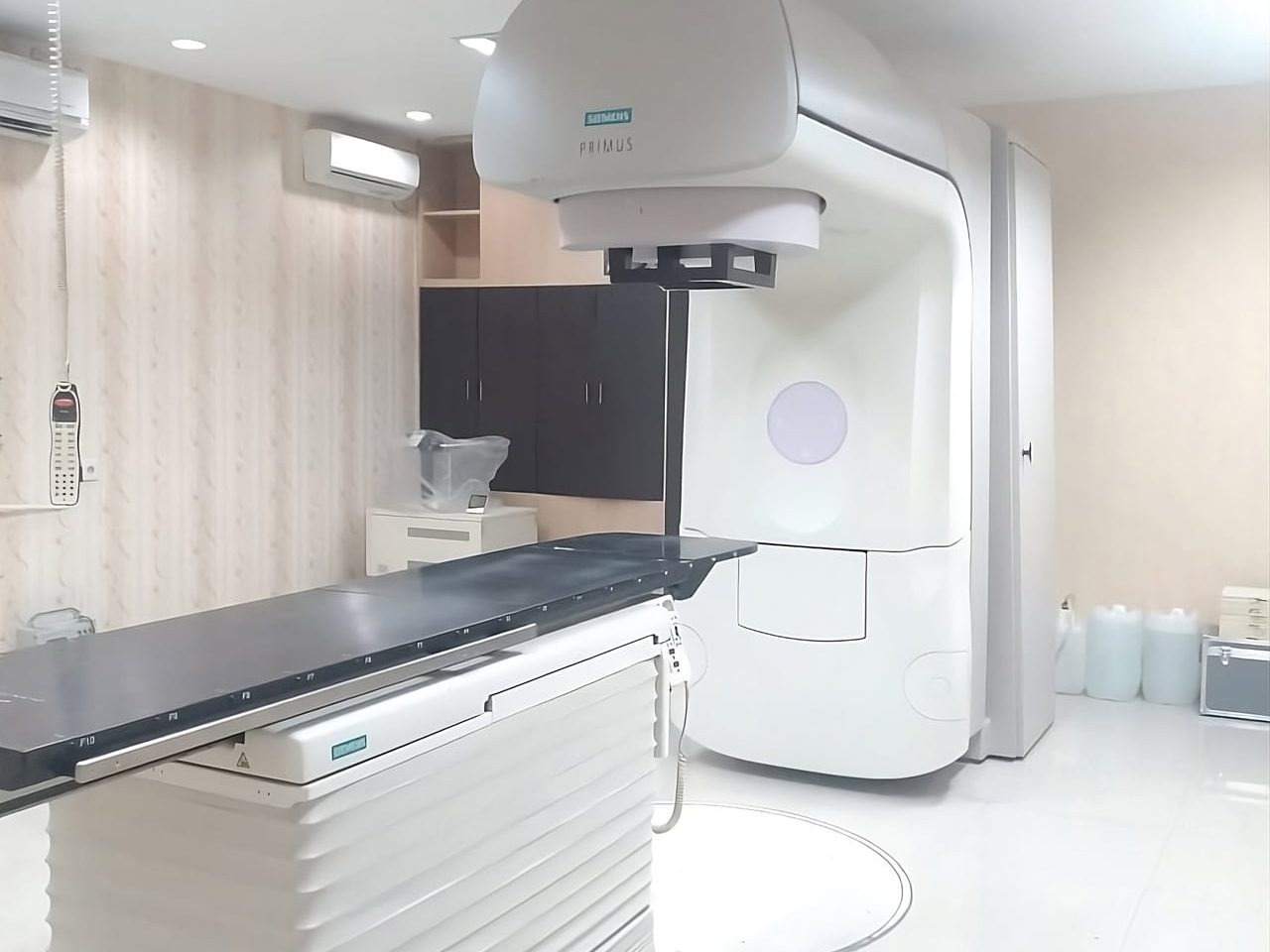
Radiotherapy is a form of treatment that uses high-energy rays, such as X-rays, to destroy cancer cells and prevent their growth. This procedure is often used in cancer treatment and can be combined with other therapies such as surgery or chemotherapy. At RSU Vina Estetica or the Vina Cancer Center Unit we carry out 4 stages of treatment: diagnosis, planning, treatment and follow-up.
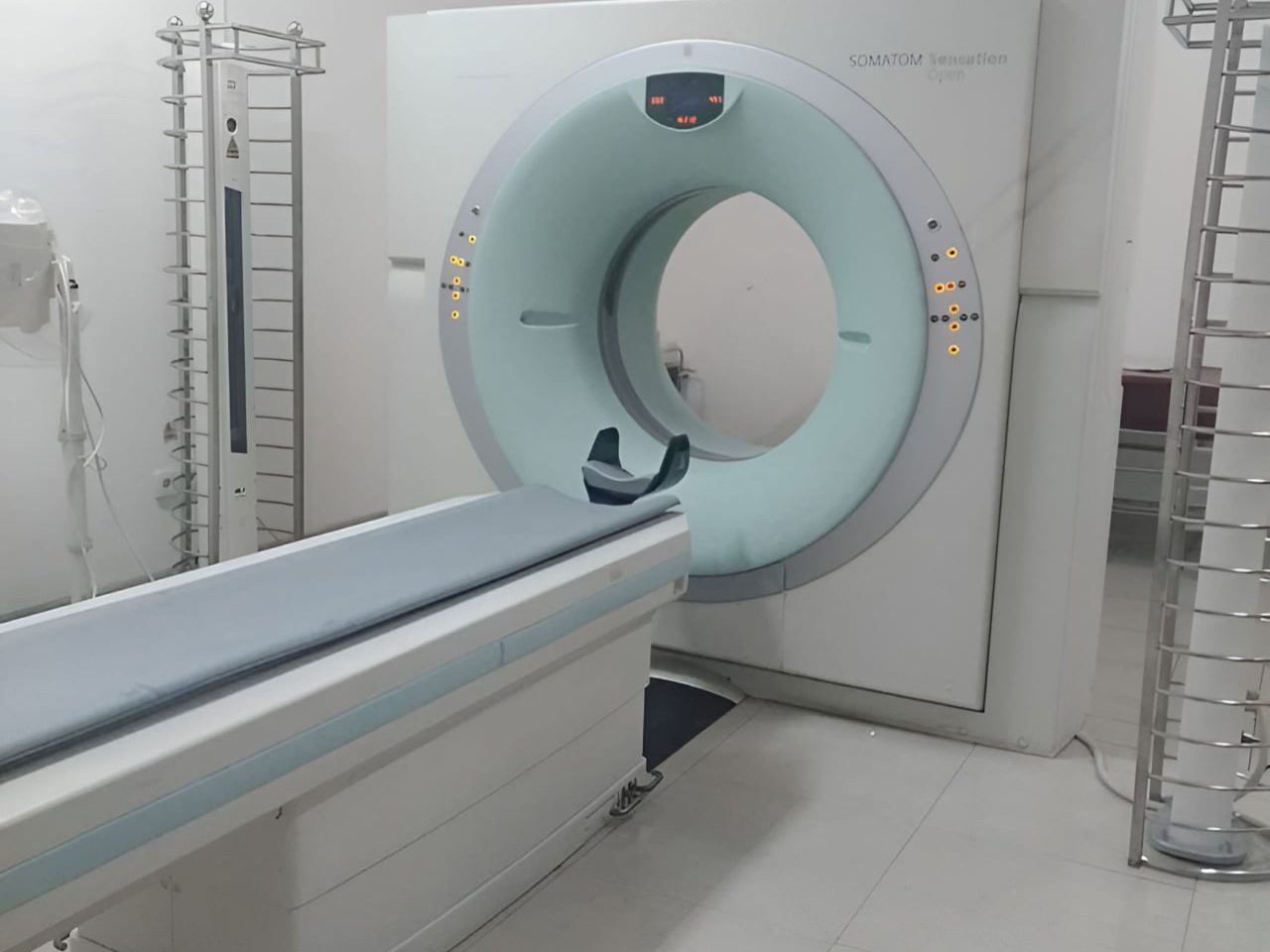
CT Simulator is a tool used in the computed tomography (CT) simulation process for planning radiation therapy. This facility consists of a CT scanner equipped with additional devices to assist in the accurate determination of tumor size, location, and shape before radiation therapy begins. This CT simulation process is very important to ensure that radiation therapy can be carried out correctly, minimizing damage to healthy tissue around the tumor.

Digital Subtraction Angiography (DSA) is a medical imaging technique used in interventional radiology for visualization of blood vessels. DSA uses X-rays and computer technology to produce clear images of blood vessels by removing radiopaque structures such as bone from the image. Diagnostics: DSA is used to detect abnormalities in blood vessels, such as aneurysms, stenosis, or tumor vascularization. Therapeutic: DSA is also used in the treatment of blood vessel conditions by inserting drugs, devices, or implants into the targeted blood vessels.
Located in a strategic location in Medan City
Located in the city center, namely on Jl. Sultan Iskandar Muda No.119, approximately 2 km west of the Medan Post Office. The hospital is equipped with facilities and infrastructure, the building floor area is ± 3000 m2, consists of 5 levels on land ± 1000 m2.
Hospital Facilities
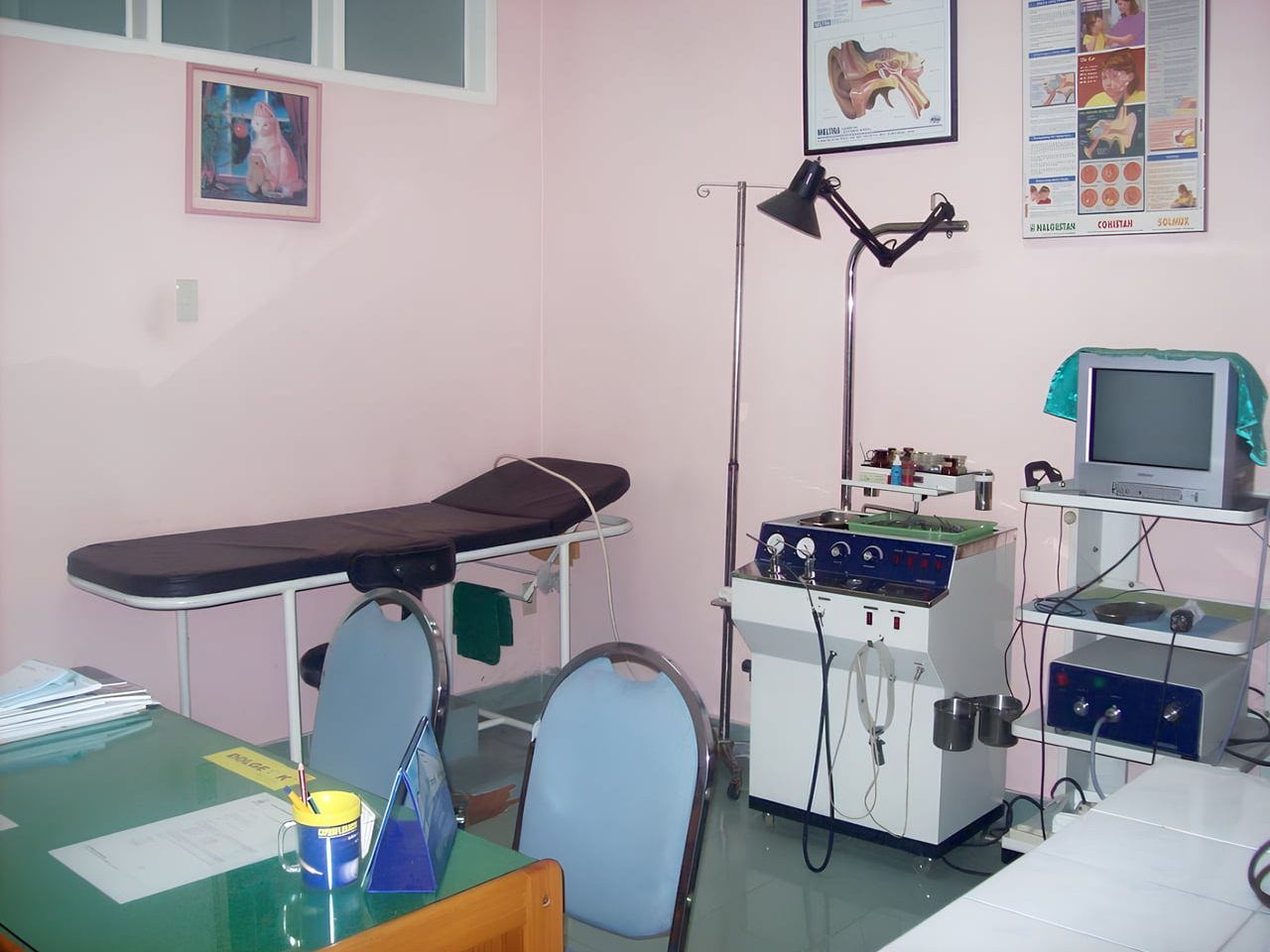
Specialist polyclinics are part of health facilities that provide medical services by specialist doctors in various fields. In specialist clinics, patients can receive diagnosis, treatment and care for more specific and complex medical conditions compared to services provided by general doctors.
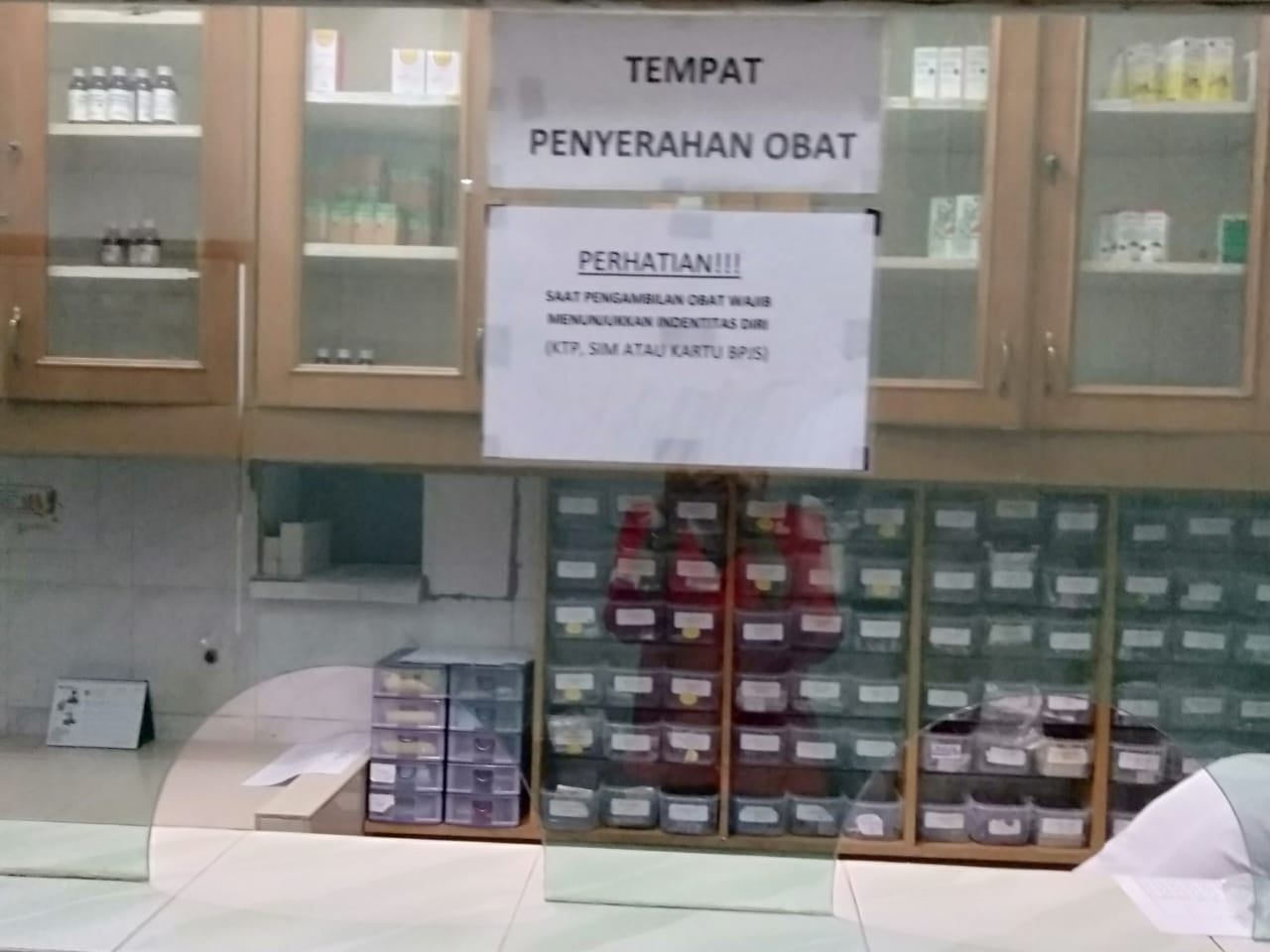
Pharmacy covers various aspects such as manufacturing, quality control, security, procurement, storage and distribution of drugs. Apart from that, pharmacy also involves drug services based on doctor's prescriptions, drug information services, as well as the development of drugs and medicinal ingredients.
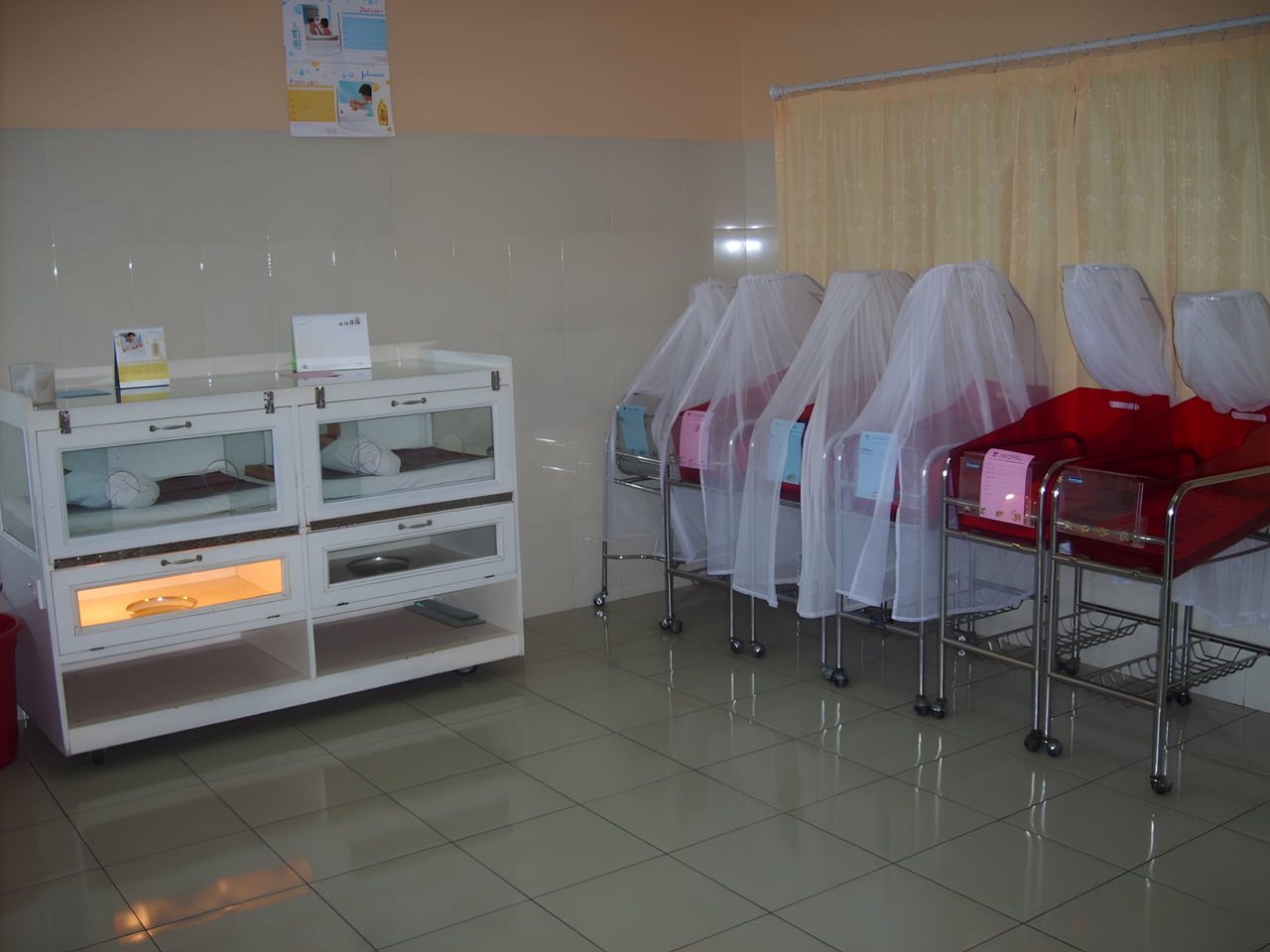
The room for babies in the hospital usually refers to the Neonatal Intensive Care Unit (NICU). The NICU is an intensive care unit specifically designed to care for newborns who require close supervision and intensive medical care.
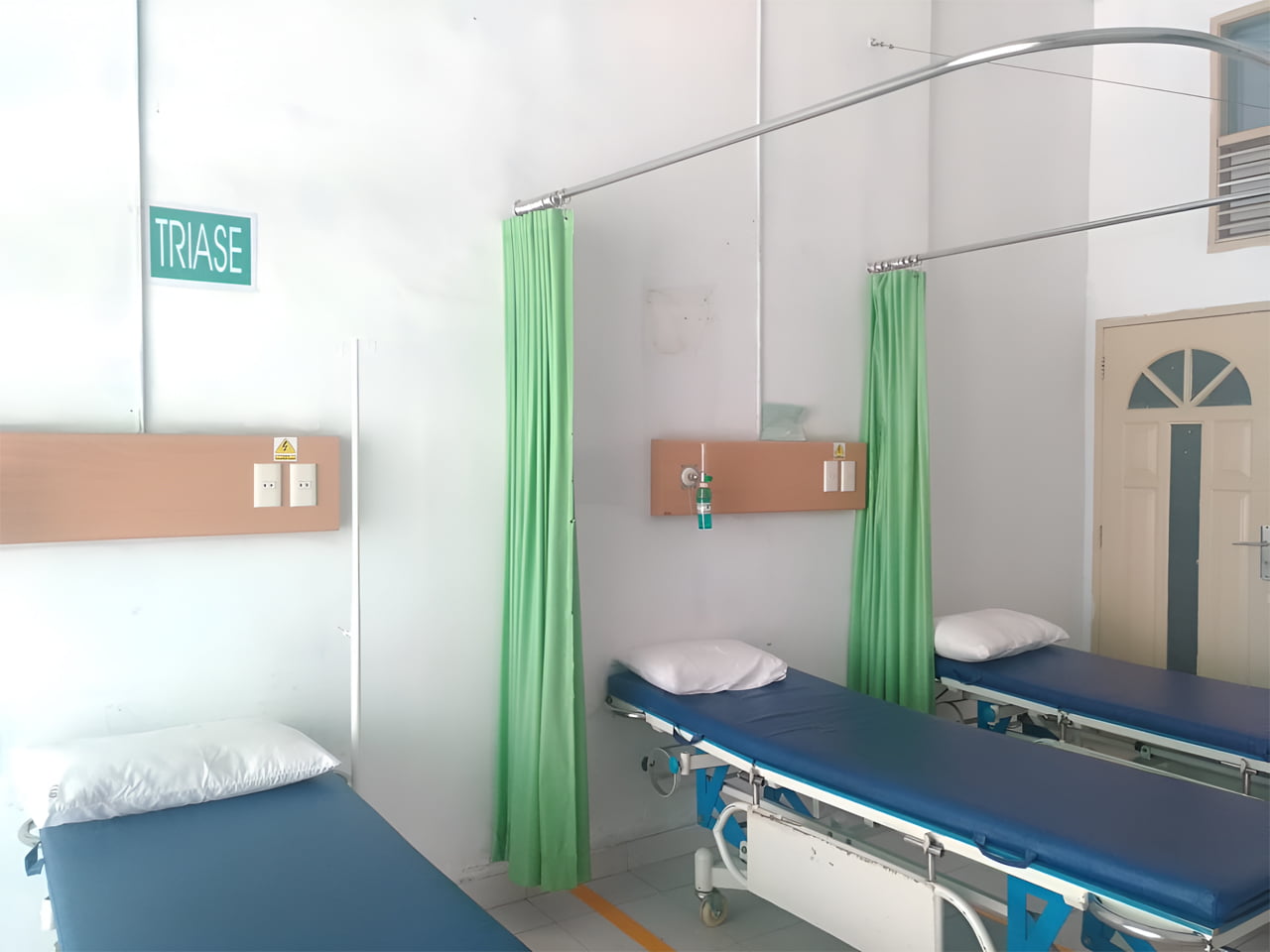
The Emergency Department (ER) is a part of the hospital that provides initial treatment for patients experiencing medical emergencies. The ER functions to provide critical and emergency medical services 24 hours a day, 7 days a week. Patients who enter the ER usually experience life-threatening conditions or require immediate treatment.
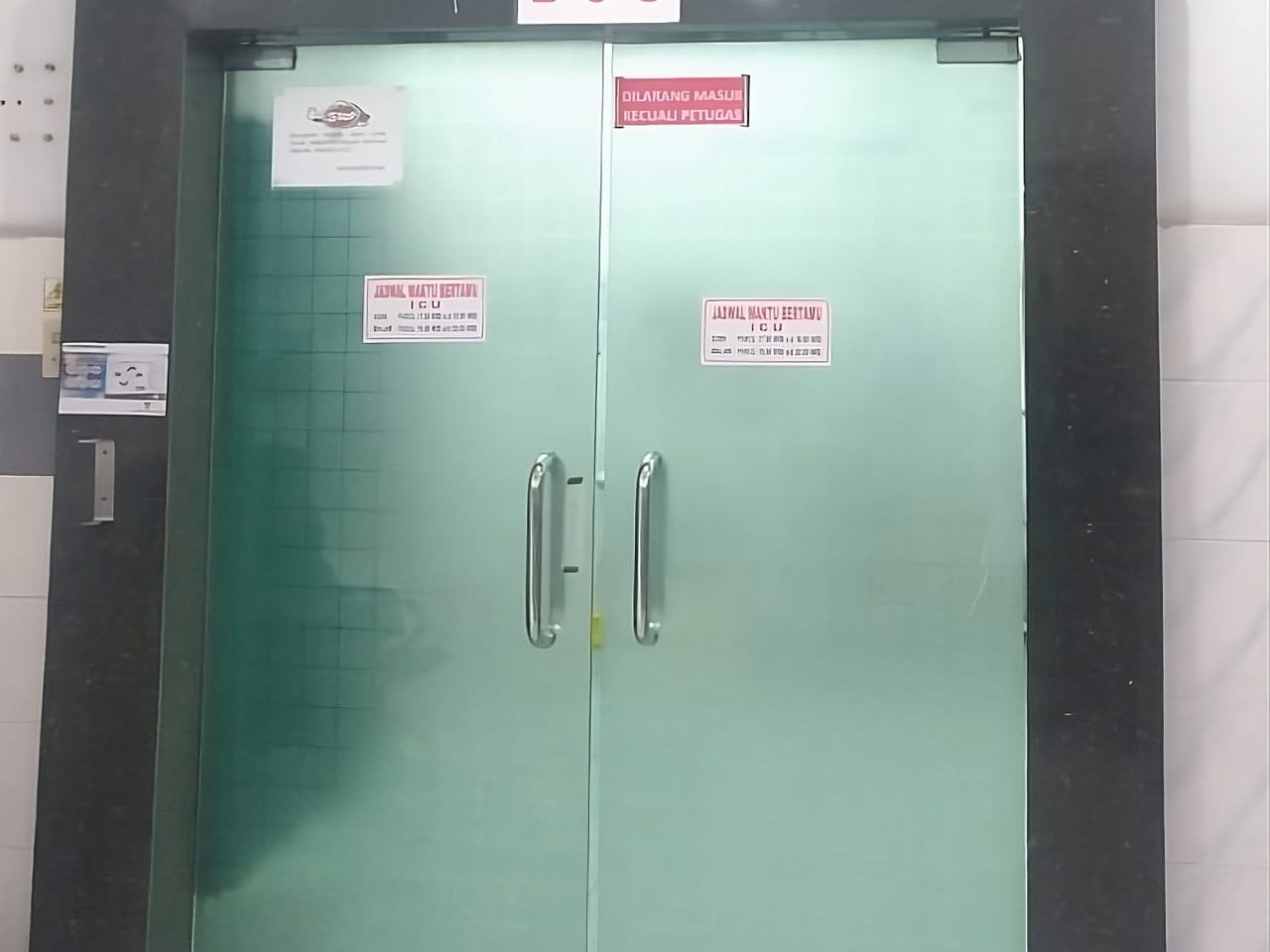
The Intensive Care Unit (ICU) is a part of the hospital that provides intensive care for patients with critical or life-threatening conditions. The ICU is equipped with specially trained medical staff and advanced equipment to continuously monitor and support the patient's bodily functions.

A medical operating room is a special unit in a hospital that functions as a place to carry out surgical procedures, both planned and emergency. This space is designed to meet sterile conditions and is equipped with advanced medical equipment and a trained medical team.
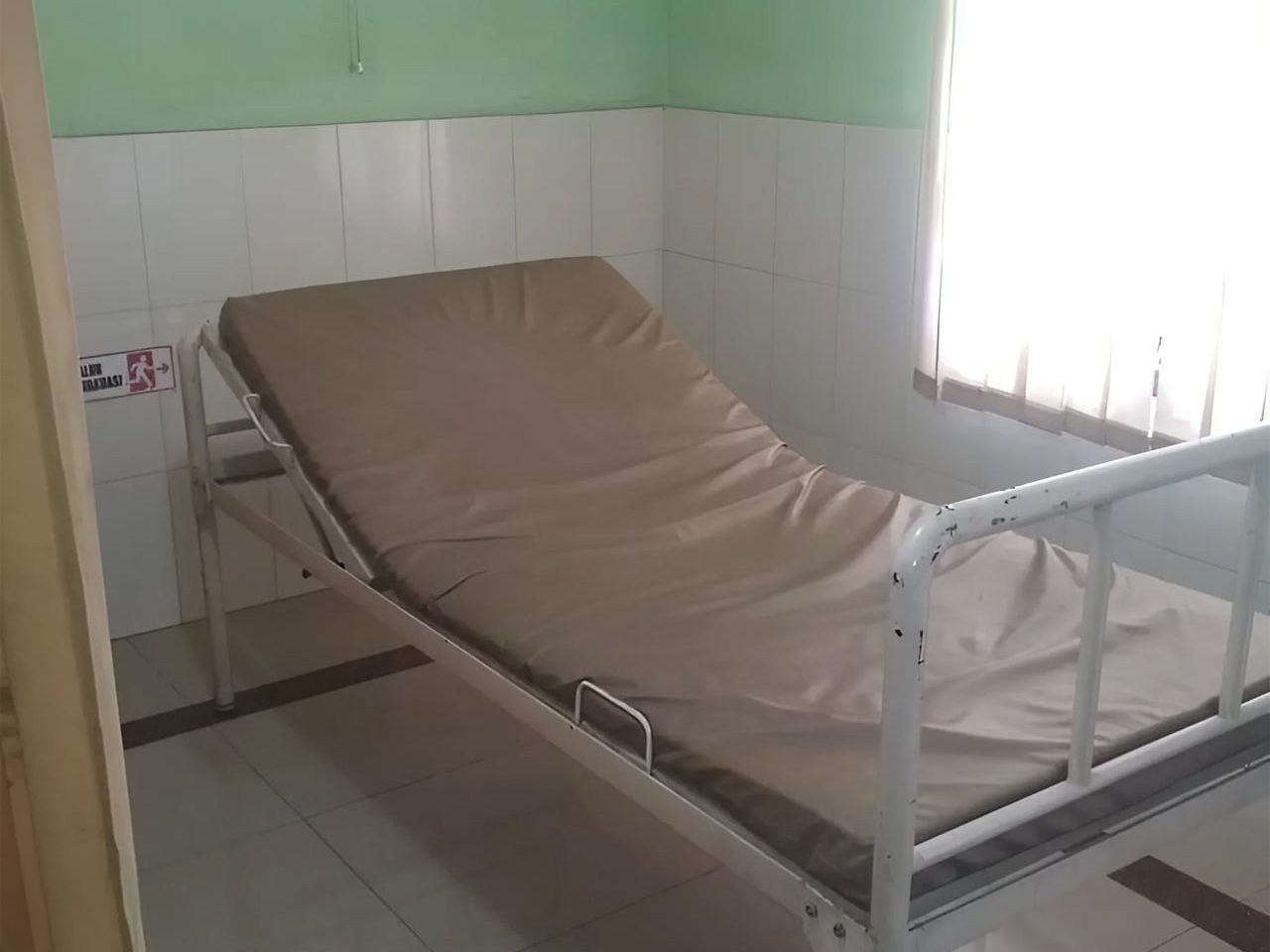
Physiotherapy is a form of health service that aims to develop, maintain and restore body movement and function throughout the life span. Physiotherapy uses a variety of methods, including manual handling, physical exercise, as well as the use of physical, electrotherapeutic and mechanical equipment. Physiotherapists work with patients of all ages to treat a variety of conditions, such as injuries, illnesses, or disorders that affect movement and body function. They also play a role in prevention, treatment, and rehabilitation to help patients achieve optimal quality of life.
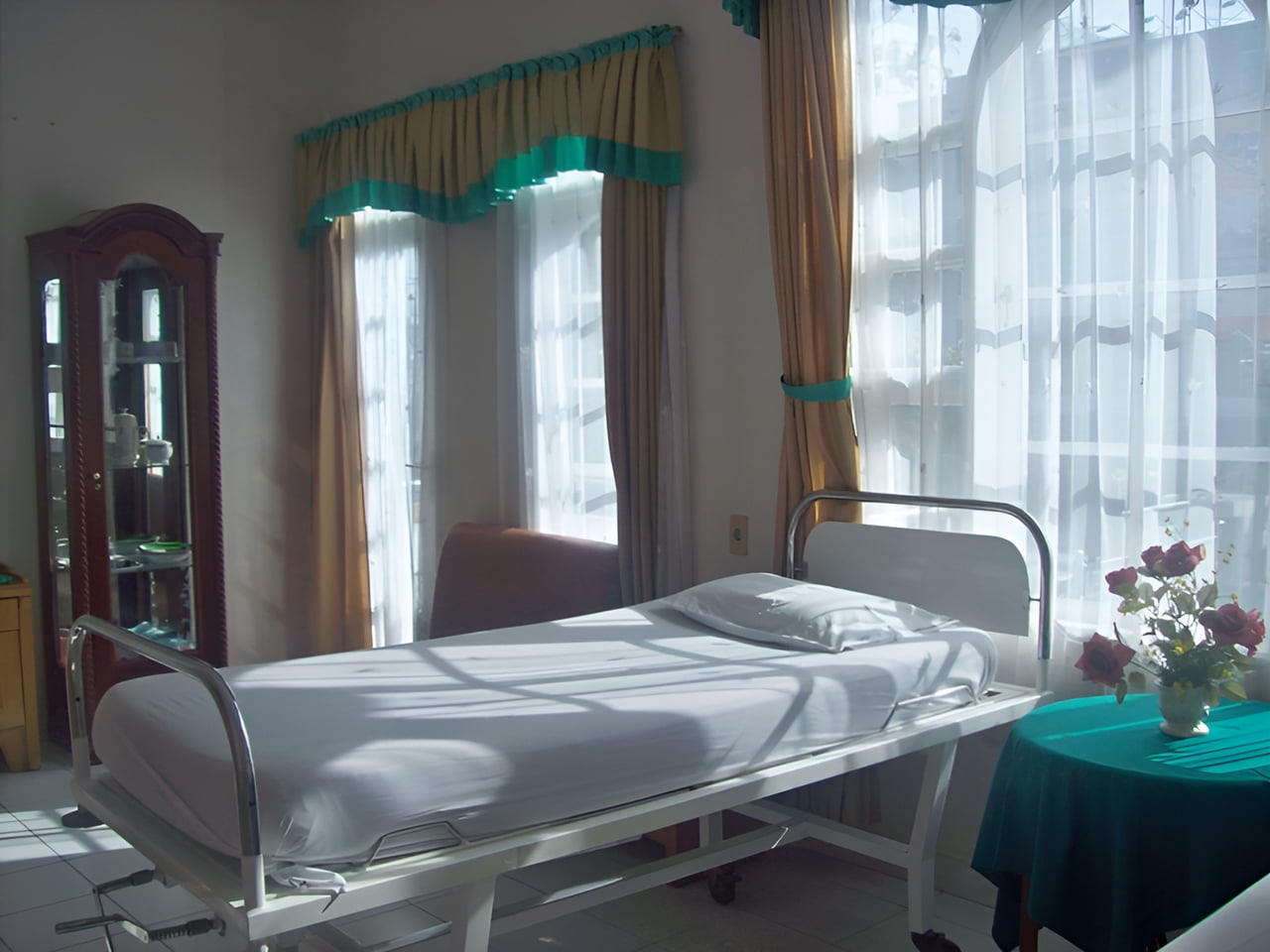
Super-VIP rooms in hospitals are special treatment rooms designed to provide maximum comfort and privacy for patients. This room is equipped with facilities such as a patient bed, patient guard bed, long sofa, 32" LCD TV, wardrobe, cupboard and cutlery, dispenser, regulator, air conditioner (AC), hot water, nakash table, refrigerator to meet your needs. patients who require special care. These rooms are designed to provide more personal and exclusive care, so that patients feel more comfortable during their treatment at the hospital.
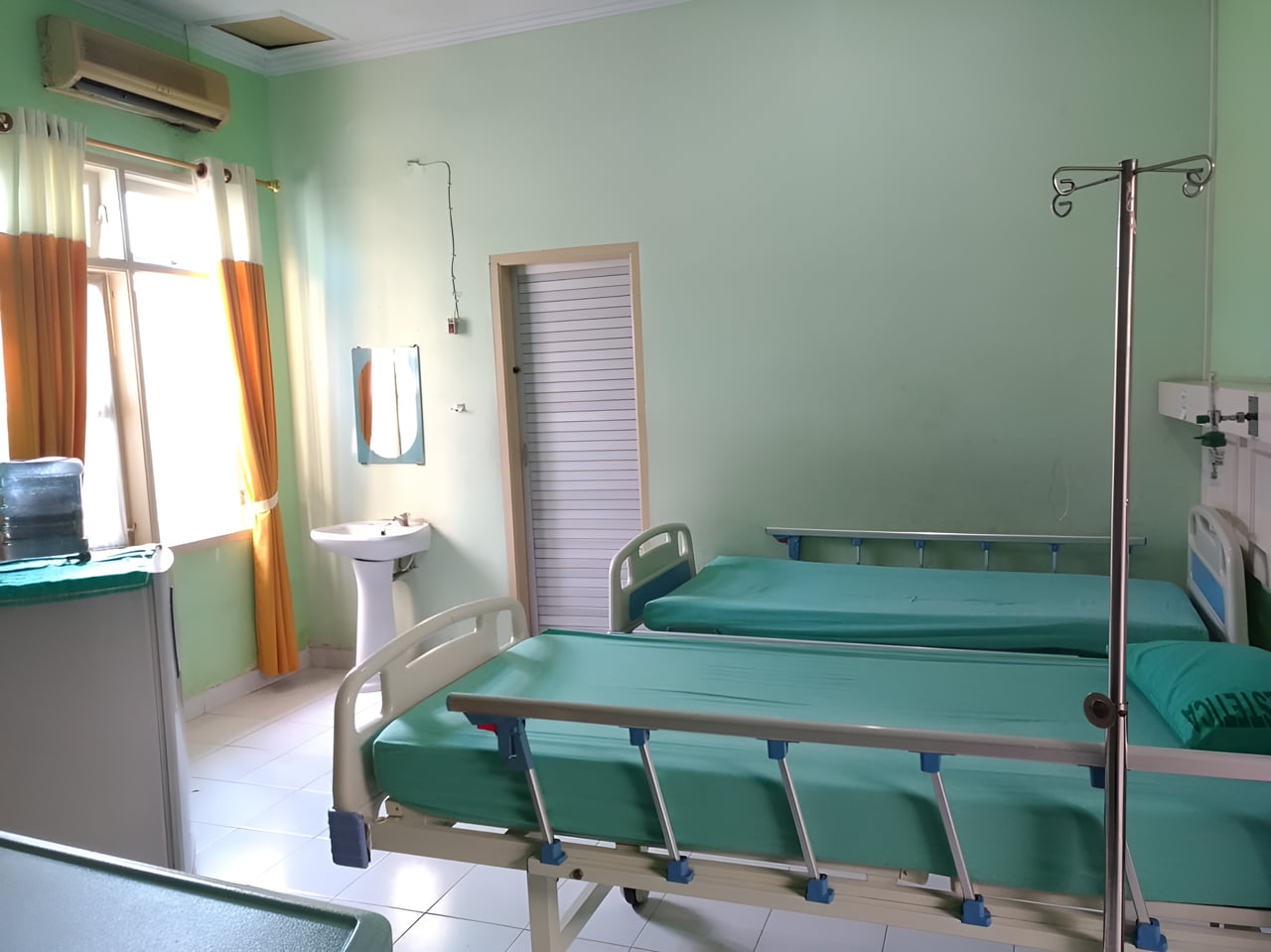
VIP rooms in hospitals are treatment rooms designed to provide more comfort and privacy for patients. This room is equipped with patient bed, patient guard bed, sofa, 32" LCD TV, small cupboard, dispenser, regulator, refrigerator, air conditioner (AC), hot water, nakash table to meet the needs of patients who need treatment. This room is designed to provide a calmer and more comfortable environment, so it can help speed up the patient's recovery process.
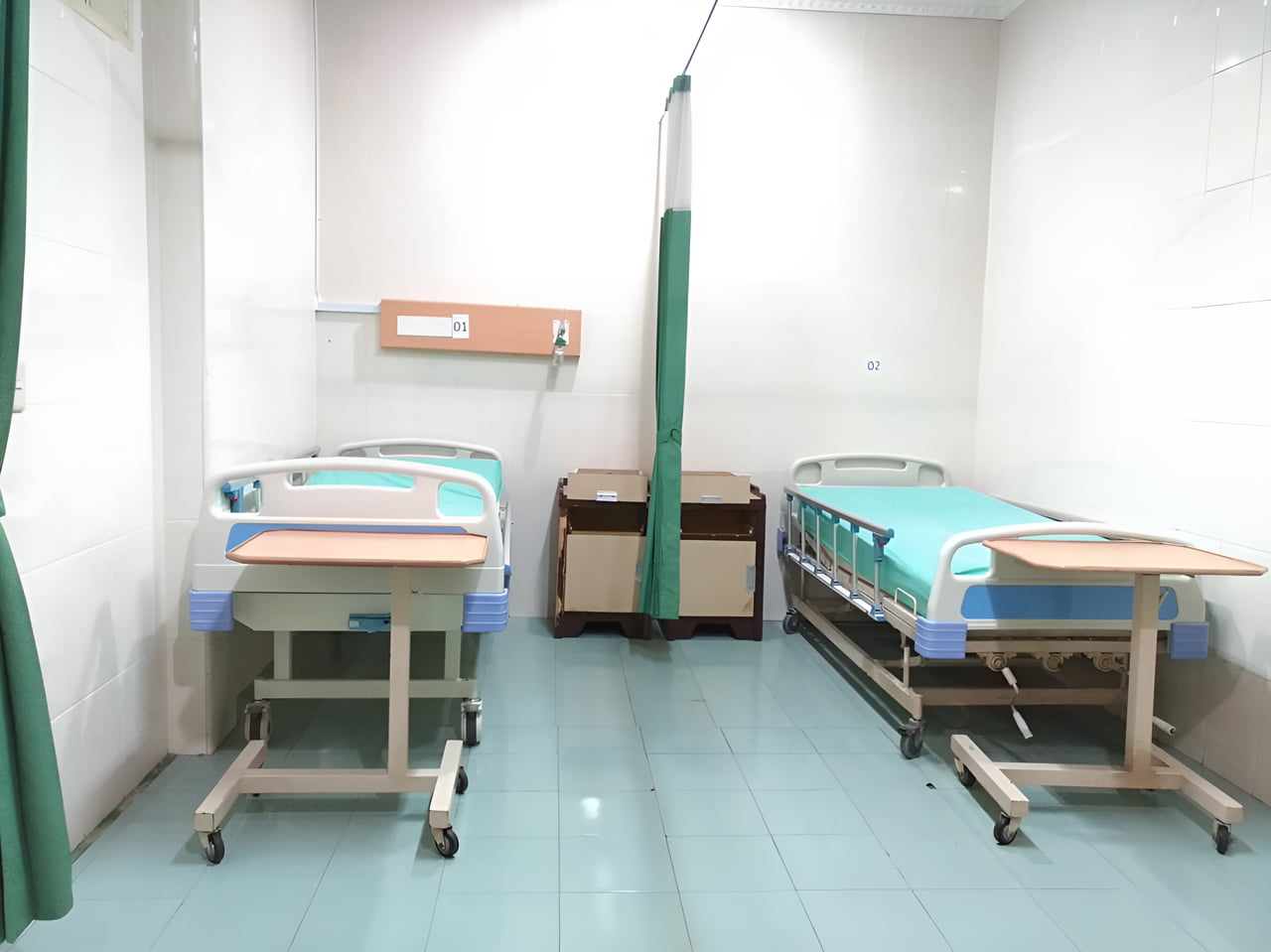
Class 1 rooms in hospitals are a type of inpatient room that offers facilities and services for 2 patients, equipped with 2 (two) beds for 2 patients, nakash table, small cupboard, air conditioner (AC). This room is designed to provide a more comfortable and calm environment, so it can help speed up the patient's recovery process.
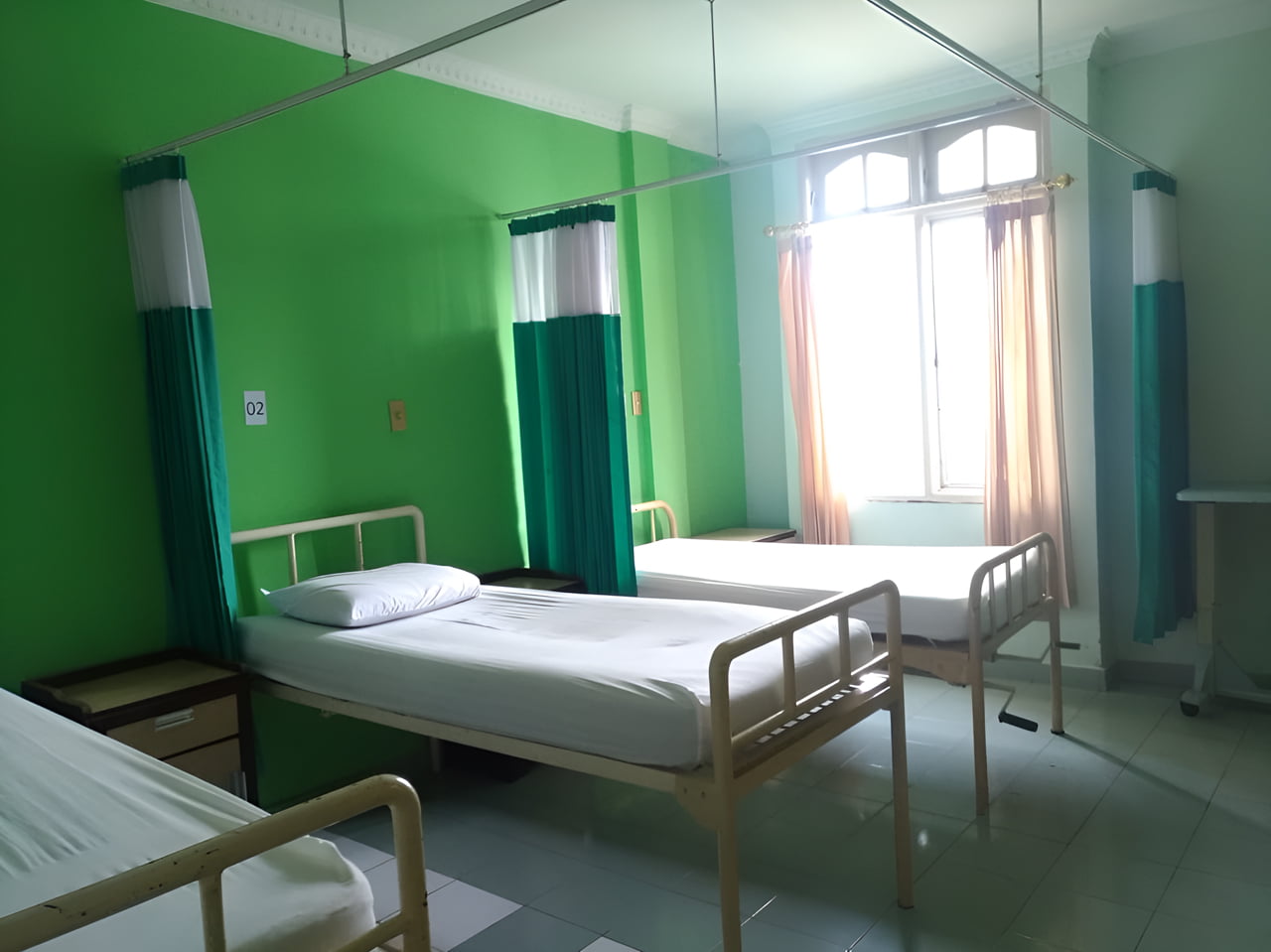
Class 2 rooms in hospitals are a type of inpatient room that offers facilities and services for 3 patients, equipped with 3 (three) beds for 3 patients, nakash table, small cupboard, air conditioner (AC). This room is designed to provide a more comfortable and calm environment, so it can help speed up the patient's recovery process.

Class 3 rooms in hospitals are a type of inpatient room that offers facilities and services for 6 patients, equipped with 6 (six) beds for 6 patients, nakash table, cupboard, fan. This room is designed to provide a more comfortable and calm environment, so it can help speed up the patient's recovery process.


Resepsionis ramah.. perawat nya ramah..
Serasa nyaman pokoknya

Trimakasih RS VINA ESTETICA.
Sukses selalu


Sekali lagi terima kasih

We accept BPJS Radiation Oncology referrals
Serve As You Serve Yourself.
